The Paperhound Guide to Buying Secondhand Books Online
Buying secondhand books online is a great way to find affordable reading copies, older editions, discontinued covers and books that may no longer be easy to find new. It does, however, come with one obvious difference: you cannot pick up the book and inspect it yourself before buying it.
A secondhand book may have shelf wear, a creased spine, an inscription from a previous owner or pages that have changed colour with age. None of these necessarily make it a poor copy. What matters is knowing what you are buying and deciding whether that particular copy is right for you.
This guide covers some of the things worth checking when buying secondhand books online, including book condition, signs of age and use, editions and ISBNs, photographs and the information you should look for in a listing.
Why Buy Secondhand Books?
There are many reasons to choose a secondhand book rather than a new copy.
For some readers, price is the main consideration. A good secondhand reading copy can often cost less than buying the same title new, although this will not always be the case with uncommon, collectible or out-of-print books.
Secondhand bookshops are also useful when you are looking for books that are no longer readily available through ordinary retailers. Publishers regularly change cover designs, release new editions and allow older editions to go out of print. The particular paperback you remember owning years ago may therefore only be available secondhand.
Buying pre-owned books also keeps books in circulation. A perfectly readable book can pass through several owners rather than being discarded simply because it is no longer new.
And sometimes there is nothing particularly unusual about the book at all. You simply want to read it, and a secondhand copy will do the job perfectly well.
Understanding Secondhand Book Condition
Condition is one of the most important things to consider when buying a used book online.
There is no single condition-grading system that every secondhand bookseller applies in exactly the same way. Terms such as Fair, Good, Very Good and Like New provide a useful indication, but they should be considered alongside the seller’s description and photographs of the actual book.
At The Paperhound, condition is assessed according to the overall state of the individual book rather than according to a rigid checklist.
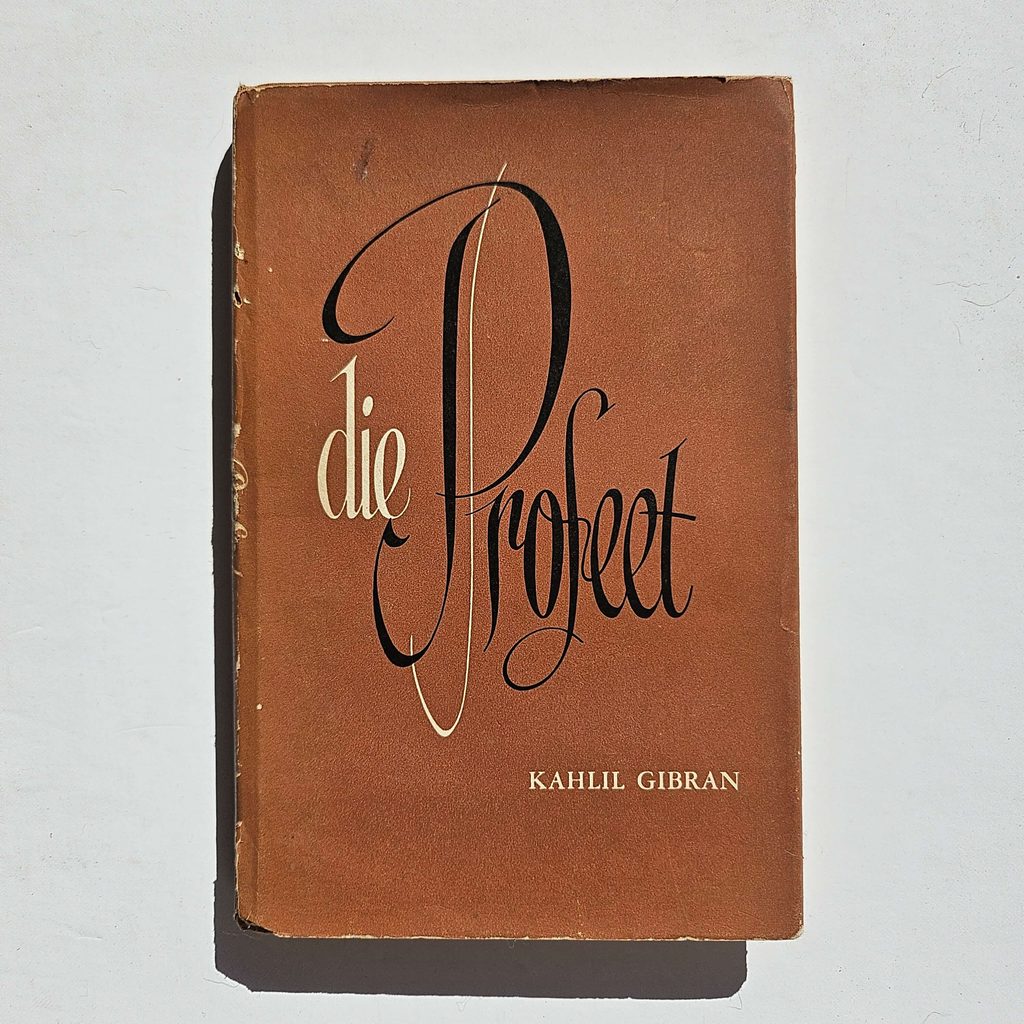
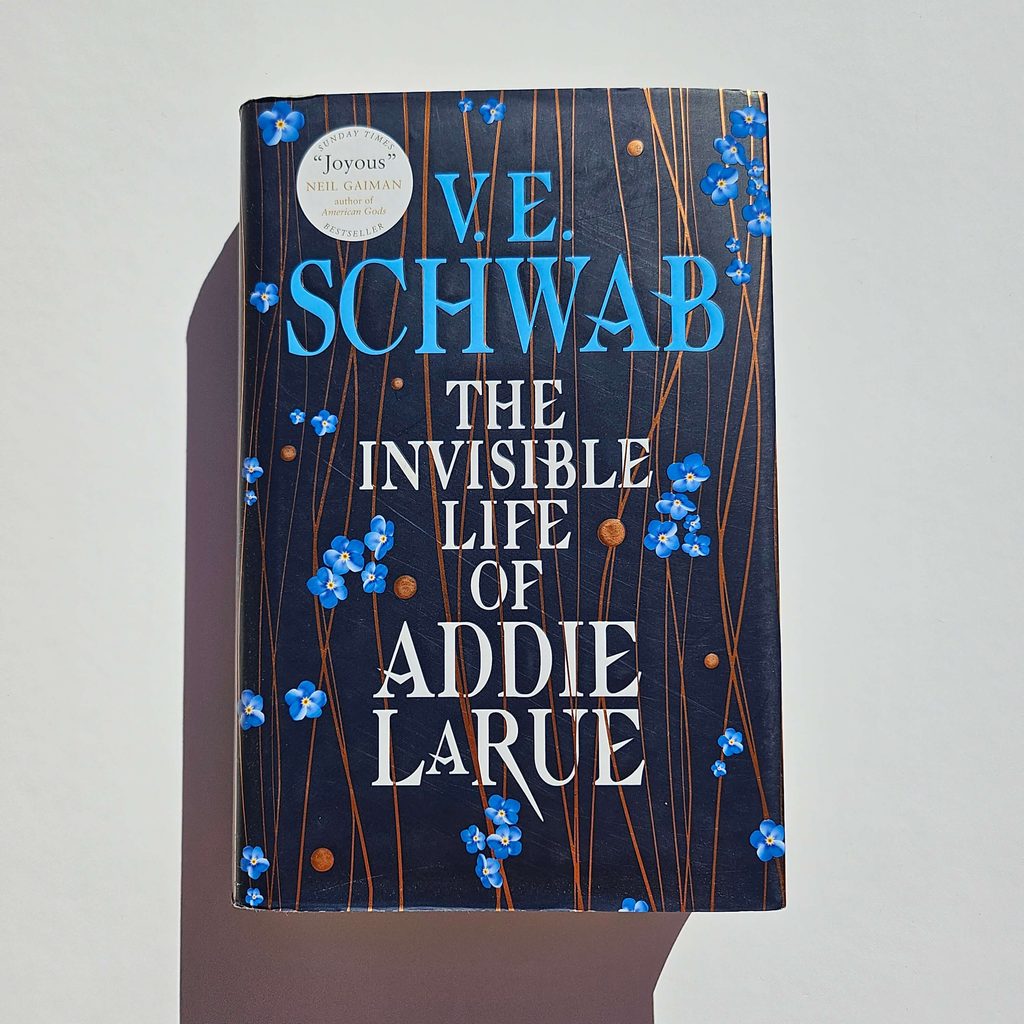
A book described as Very Good to Like New, for example, will generally show very little evidence of previous reading. A paperback may have an uncreased or almost uncreased spine and clean pages, while a hardcover should be in very good condition with only minimal flaws to its dust jacket, where a dust jacket is present.
A Good to Very Good book may show some evidence of previous handling but remains in pleasing overall condition. The spine will generally still be relatively well kept, the pages remain in very good condition, and the cover should not be excessively bent, warped or damaged.
A book described as Fair is likely to show much clearer signs of its age or previous use. It may have a well-creased spine, cover fading or more noticeable general wear. This does not necessarily mean it is unsuitable for reading. An older, well-read copy can still be perfectly functional while understandably looking different from a newer book.
Because every secondhand book is different, the condition label is best treated as an overall assessment rather than the entire description of the book.
The individual listing gives you more information to help you make your decision.
Common Signs of Age and Previous Use
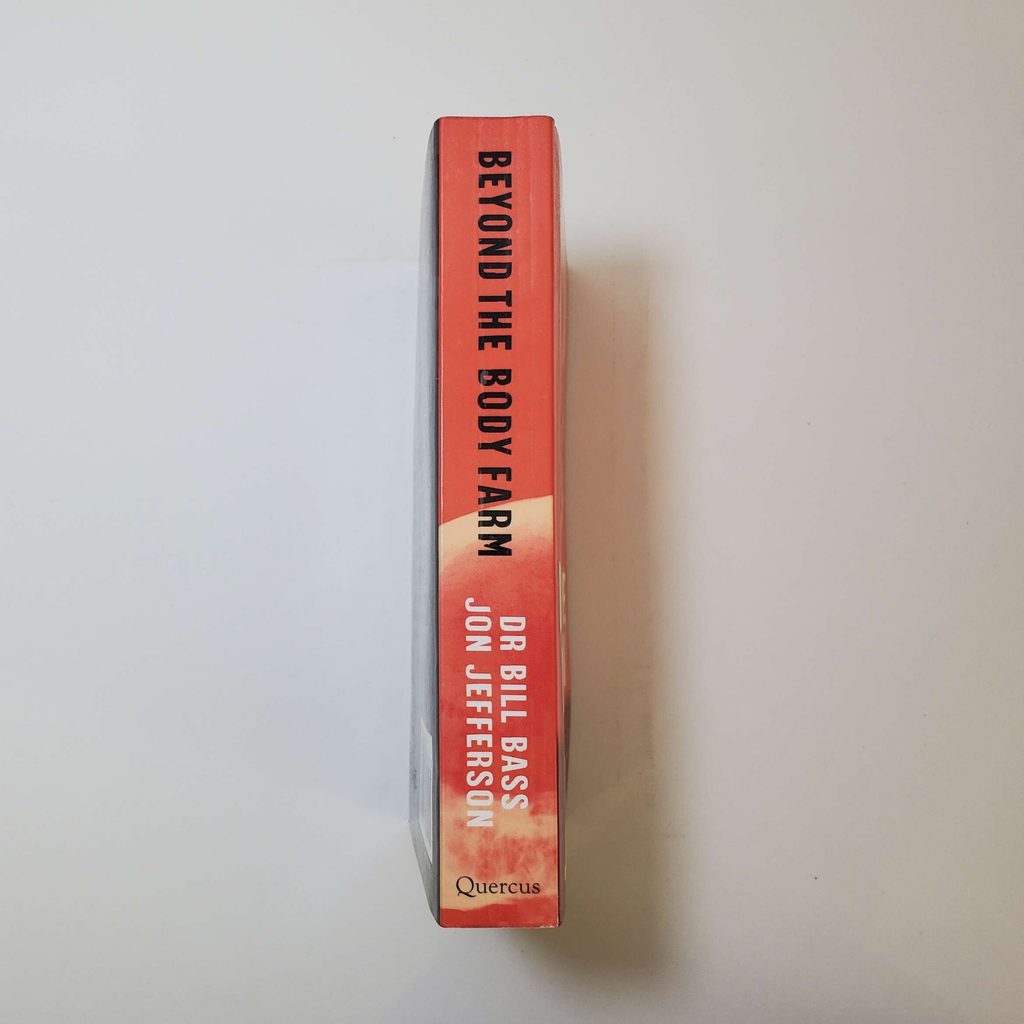
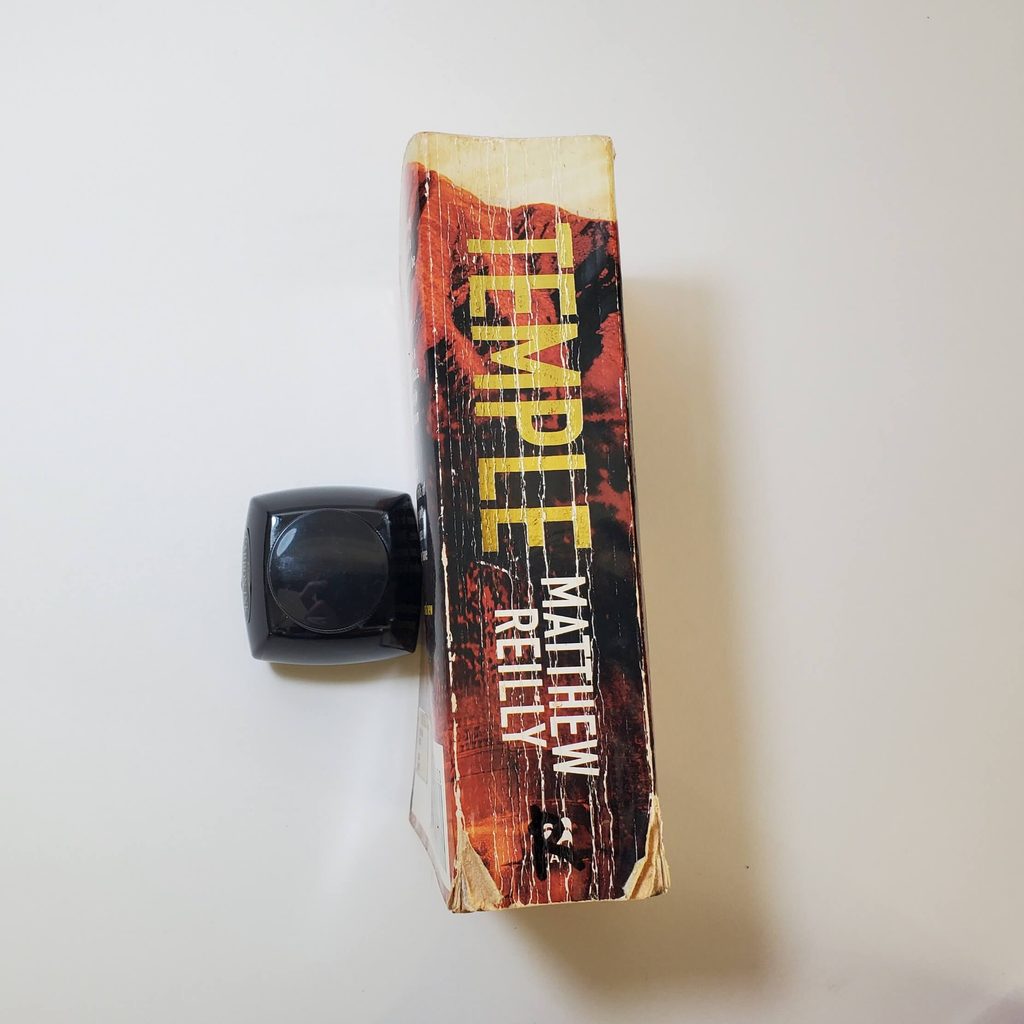
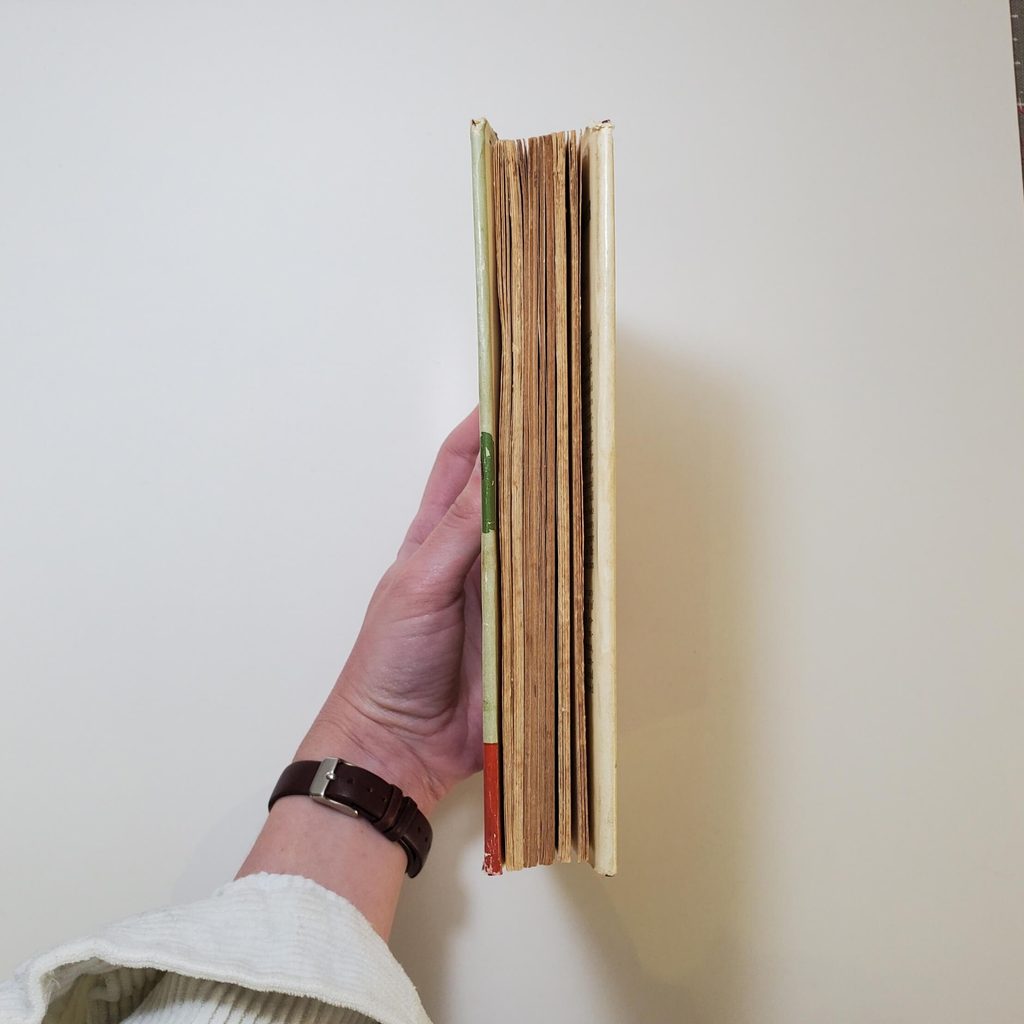
A book does not remain unchanged simply because it has spent most of its life on a shelf. Paper, bindings, covers and dust jackets can all show signs of age.
Page tanning or yellowing is particularly common in older books. Paper can gradually darken or develop a cream or yellow tone as it ages. The amount of tanning varies considerably depending on the paper used, the book’s age and how it has been stored.
You may also occasionally encounter foxing, which appears as brownish or reddish spots on paper. It is commonly associated with older books and may occur on page edges, endpapers or individual pages.
Spine creasing is common in previously read paperbacks. A heavily read book may have several visible creases, while a lightly read copy may have little or no creasing.
Covers can develop edge wear, rubbing, small creases or fading. Hardcover dust jackets are particularly prone to wear because their edges and corners are exposed during handling and shelving.
Books can also contain evidence of their previous owners. This might include a name written inside the cover, a gift inscription, a bookshop sticker, annotations, highlighting or other markings.
These details will matter differently to different readers. Someone simply looking for an inexpensive reading copy may be perfectly comfortable with an inscription or a faded cover. Someone buying a book as a gift or looking for a particular edition for a collection may prefer a cleaner copy.
This is why the photographs and individual description are often more useful than the condition word on its own.
Look at the Book You Are Actually Buying
Photographs are particularly important when shopping for secondhand books online.
A publisher’s stock image is useful for identifying a title, but it cannot tell you anything about the condition of the physical copy being offered for sale.
The Paperhound therefore includes the following note on its book listings:
Please note: The first image serves as a representation, while the images thereafter show the physical book itself.
When considering a book, look through the photographs after the representative image. These allow you to see the copy that is actually available.
Pay attention to the cover, corners and spine. If page edges are visible, these may also give you an indication of the book’s age and condition.
Photographs are particularly useful when cosmetic condition matters to you. A written description such as Good to Very Good provides an overall assessment, while the images allow you to decide for yourself whether the amount of visible wear suits what you are looking for.
Check the Information in the Book Listing
Condition is only one part of choosing the right secondhand book.
Every book listing on The Paperhound includes additional information about the copy being sold, including:
- ISBN
- Series name and series number, where applicable
- Page count
- Condition
- Language
- Format
- Cover image information
It is worth checking these details before ordering, particularly if you are looking for something specific.
The format tells you whether you are looking at a paperback, hardcover or another type of edition. The series information can help prevent accidentally buying volume two when you meant to start with volume one. Language is particularly important for books that have been published in multiple translations.
Page counts can also differ between editions, so two copies of the same novel will not necessarily have the same number of pages.
For many readers none of these differences will affect the story they want to read. For others, the exact edition matters a great deal.
ISBNs, Editions and Different Book Covers
Seeing several different versions of the same book online can be confusing, especially when the covers look completely different.
An ISBN, or International Standard Book Number, identifies a particular publication or edition of a book. Different formats and editions can therefore have different ISBNs even though the title and author are the same.
A hardcover and paperback edition will usually have different ISBNs. A later edition may have another ISBN, and editions released in different markets can also differ.
Cover artwork can change for many reasons. Publishers redesign books, release anniversary editions, produce new editions to coincide with film or television adaptations, or use different designs in different countries.
This means the copy you receive may not look like another version of the same title that you have seen elsewhere.
If you simply want to read the book, this may make very little difference.
The details become more important when you are trying to match the books in an existing series, replace a particular childhood copy, find a specific cover design or collect books from a particular edition.
In those cases, check the ISBN, format and photographs carefully rather than relying on the title alone.
Buying a Secondhand Book as a Gift
Secondhand books can make excellent gifts, but it is worth being a little more selective when buying for someone else.
Think about the recipient and what condition they would appreciate. A reader who loves older books may enjoy receiving an attractive older edition, while someone else may prefer a copy that looks as close to new as possible.
Check the photographs for visible wear and look carefully at the condition description.
If the exact edition is important, check the ISBN and photographs rather than assuming that every copy of a particular title will have the same cover.
Previous owners’ inscriptions are another consideration. Some people enjoy finding an old dedication inside a secondhand book; others would rather receive an unmarked copy.
There is no universal rule that says a secondhand gift needs to look new. The important part is choosing a copy whose condition suits the person receiving it.
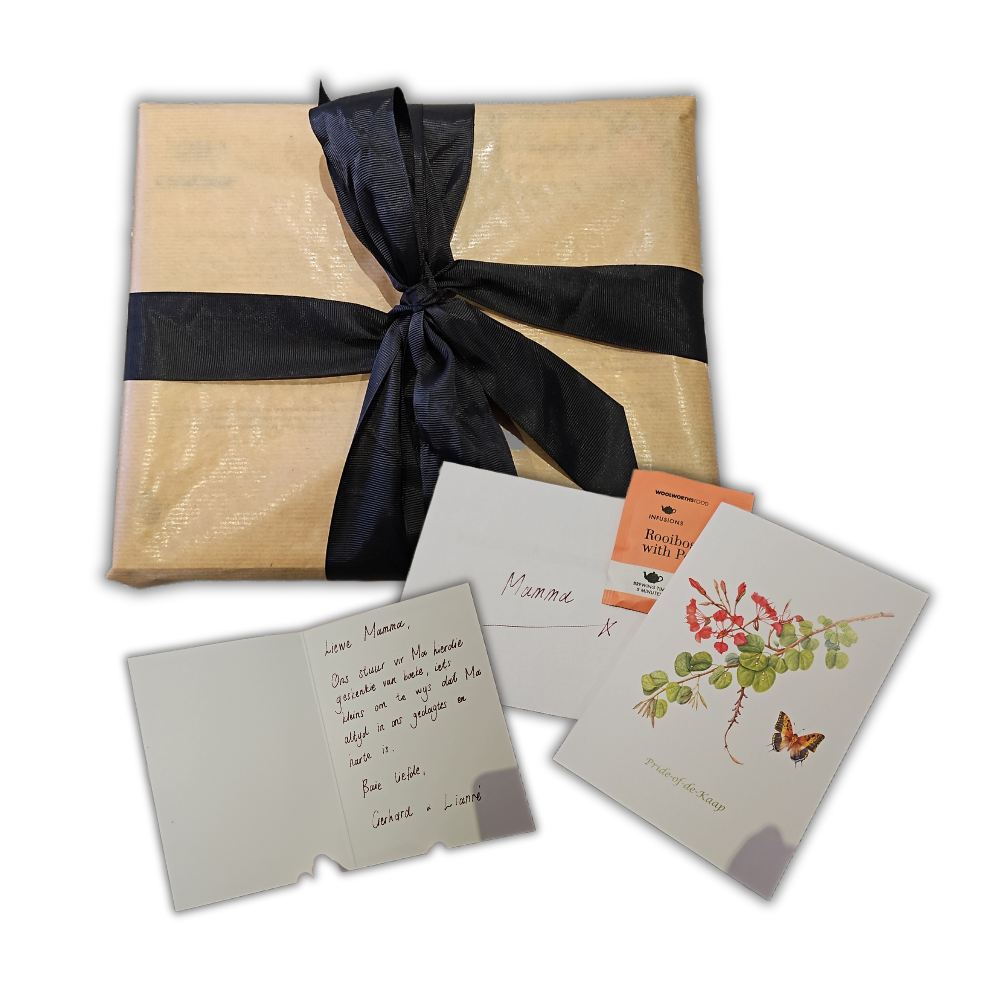
Gift Wrapping Service
R50.00
Make your parcel extra special. I’ll handwrite your message, tuck in a teabag for cosy reading, wrap it in rustic brown paper and tie it all together with a dramatic black bow!
*Please note that the card featured in this picture is for illustration purposes only; designs and sizes vary.
What to Check Before Buying a Secondhand Book Online
Before adding a secondhand book to your basket, take a moment to check the title and author, the format, the condition description and the photographs of the physical copy.
If you are looking for a particular edition, compare the ISBN as well.
For a book in a series, check the series name and volume number. It is surprisingly easy to recognise a cover or title and overlook the fact that the book belongs later in a sequence.
Consider what matters to you personally. A few spine creases may be completely irrelevant if you simply want a reading copy. If the book will be displayed, given as a gift or added to a matching collection, its cosmetic condition may be much more important.
There is no need to look for a flawless copy every time. The aim is to find a book whose condition and edition meet your expectations.
What If the Book You Want Is Difficult to Find?
One of the less predictable parts of shopping secondhand is availability.
Unlike a shop ordering new stock from a current publisher catalogue, a secondhand bookseller cannot guarantee when another copy of a particular title will appear. A book might be readily available one month and surprisingly difficult to find the next.
Older editions can be even less predictable.
If you are trying to find a particular book, it helps to provide as much information as you can. The title and author are a good starting point. If you need a specific edition, cover, format or ISBN, include that information too.
The Paperhound enjoys helping readers search for books they have been unable to find themselves. If there is a title, edition or series you have been looking for, you can use the Book Request Service and tell me what you are trying to track down.
Caring for Secondhand Books
Once a secondhand book joins your shelves, a few basic precautions can help keep it in good condition.
Books generally do best in a dry environment away from prolonged direct sunlight. Strong sunlight can fade covers and dust jackets, while moisture can damage pages and bindings.
Store books upright where practical and avoid squeezing them so tightly onto a shelf that removing one damages the spine or cover.
Older books sometimes need more careful handling than newer copies. Bindings, adhesives and paper can become more fragile with age, so forcing a book open flat or using aggressive cleaning methods can do more harm than good.
You do not need specialist storage for an ordinary secondhand reading collection. Sensible shelving, dry conditions and careful handling go a long way.
Frequently Asked Questions About Secondhand Books
No. Many ordinary secondhand reading copies are less expensive than buying new, but price depends on availability, condition, edition and demand. Rare, collectible, signed or out-of-print books can cost considerably more than an ordinary new book.
Paper changes as it ages, and some types of paper change colour faster than others. Older books commonly develop cream, yellow or brownish page tones. Page tanning by itself does not necessarily mean that the book is damaged or unsuitable for reading.
Foxing refers to the small brown or reddish spots sometimes found on older paper. It can occur on page edges, endpapers and individual pages. The extent can vary considerably from one book to another.
Not necessarily. Spine creasing is a common sign that a paperback has been read. The extent of the creasing, together with the condition of the cover, binding and pages, gives a better indication of the book’s overall condition.
Different editions and formats of a book can have different ISBNs. A paperback and hardcover version will generally not share the same ISBN, and later or regional editions can also have different numbers.
Publishers regularly redesign covers and release books in different formats, markets and editions. Film and television adaptations can also lead to new cover designs. If a particular cover matters to you, check the images of the physical book rather than relying only on the title.
It certainly can be. Check the condition, photographs, edition and any disclosed signs of previous ownership and decide whether that particular copy is appropriate for the recipient.
Finding the Right Secondhand Copy
Buying a secondhand book online is not about finding a book that looks untouched in every case. It is about knowing what you are getting.
A well-read paperback with a creased spine can still have clean pages and many years of reading left in it. An older hardcover may have some wear to its dust jacket while remaining an attractive copy. Another book may look almost as though it has never been opened.
Condition labels help, but photographs and detailed listing information give you the fuller picture.
At The Paperhound, I provide information about each book’s condition, ISBN, format, language, page count and series details where applicable, together with photographs of the physical copy, so that you can make an informed choice before ordering.
If you are ready to look for your next read, you can browse the books currently available in The Paperhound Online Bookshop.
And if the book you want is not on the shelf, tell me what you are looking for.